
Key References & Legislation
- Workers Compensation Act 1987
- Workplace Injury Management and Workers Compensation Act 1998
- SIRA workers compensation guidelines
Quick answer for NSW injured workers
Start with the dispute, not just the diagnosis
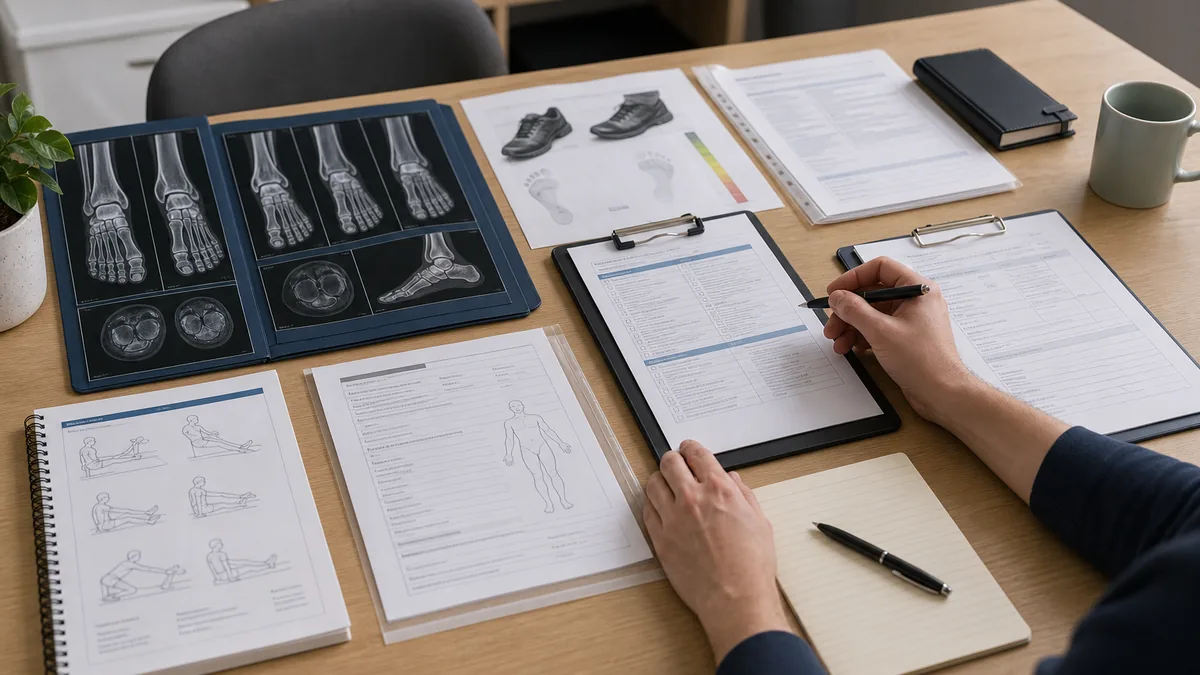
A NSW workers compensation claim for heel injury should connect the diagnosis with the actual work demands, not just name the injured body part. Common work features include slips, trips or uneven surfaces, jumping down from vehicles or platforms and prolonged standing or walking. Useful evidence commonly includes X-ray, ultrasound or MRI, podiatry, orthopaedic or physiotherapy notes and footwear and surface evidence where relevant. Insurer disputes often focus on whether the injury is a sprain only and whether ongoing symptoms reflect pre-existing changes, while weekly payments and suitable duties usually turn on standing, walking, stairs, kneeling, squatting, driving and load carrying and safe duties that avoid unsafe mobility demands.
May be relevant when
Benefits to check
Legal help is useful when
What this means in practice
Use this page to connect the medical diagnosis with the actual job demands, the certificate of capacity, treatment records and any insurer decision. The aim is to identify the evidence gap before responding, not to assume that the diagnosis alone proves the claim.
How this injury commonly happens at work
slips, trips or uneven surfaces
jumping down from vehicles or platforms
prolonged standing or walking
twisting on stairs or wet floors
slips, trips, falls or uneven surfaces
kneeling, squatting, climbing or stairs
lifting while twisting or carrying loads
vehicle, forklift or machinery incidents
prolonged standing, walking or repetitive lower-limb loading
Evidence that may help
X-ray, ultrasound or MRI
podiatry, orthopaedic or physiotherapy notes
footwear and surface evidence where relevant
walking, standing and driving restriction records
X-ray, MRI, CT, ultrasound or specialist reports
certificate of capacity and rehabilitation notes
incident reports, site photos and witness details where available
records of walking, standing, stair or kneeling limits
return-to-work offers and any failed suitable duties trial
Common insurer disputes
whether the injury is a sprain only
whether ongoing symptoms reflect pre-existing changes
whether safe duties ignore standing or walking limits
whether the condition is traumatic, degenerative or a work aggravation
whether proposed duties exceed mobility restrictions
whether surgery, injections or rehabilitation are reasonably necessary
whether symptoms are consistent with imaging and examination
whether weekly payments reflect real walking and standing limits
Treatment and surgery issues
boot, brace, physiotherapy, podiatry, injections or surgical review where supported
physiotherapy, bracing, injections or specialist care
surgery such as repair, reconstruction, fixation or replacement where supported
rehabilitation planning around stairs, driving and safe mobility
management of flare-ups during graded return to work
Weekly payments and work capacity
standing, walking, stairs, kneeling, squatting, driving and load carrying
safe duties that avoid unsafe mobility demands
travel to work and medication effects where relevant
weekly payment decisions where partial capacity is overstated
Permanent impairment and lump sum issues
WPI can be relevant for permanent joint, fracture, nerve, gait or surgical consequences
assessment should wait until the injury has stabilised where required
a lump sum claim depends on the evidence and applicable thresholds
How NSW Work Injury Claim can help
clarify diagnosis and mechanism of injury
compare work duties with medical restrictions
respond to treatment or work capacity disputes
prepare WPI evidence when the condition becomes stable
Common questions about heel injury claims
Can I make a NSW workers compensation claim for heel injury?
A claim may be available if the heel injury arose out of work or was materially aggravated by work. The practical starting point is to compare the diagnosis with work features such as slips, trips or uneven surfaces, jumping down from vehicles or platforms and prolonged standing or walking, then check the certificates of capacity, treatment notes and any insurer decision already made.
What evidence usually matters most for heel injury?
Helpful evidence usually includes X-ray, ultrasound or MRI, podiatry, orthopaedic or physiotherapy notes, footwear and surface evidence where relevant and walking, standing and driving restriction records. The best evidence depends on the diagnosis and the dispute raised by the insurer.
What if the insurer says the heel injury is not work-related?
The response should address the actual reason given. For heel injury, that may mean dealing with whether the injury is a sprain only, whether ongoing symptoms reflect pre-existing changes and whether safe duties ignore standing or walking limits. A short evidence-based chronology is usually more useful than a broad complaint.
Can treatment or surgery for heel injury be disputed?
Yes. Treatment may be disputed on causation, necessity, timing or whether conservative care has been tried. For heel injury, treatment evidence may need to address boot, brace, physiotherapy, podiatry, injections or surgical review where supported, physiotherapy, bracing, injections or specialist care and surgery such as repair, reconstruction, fixation or replacement where supported. A treating specialist report can be important, but approval is never guaranteed.
Can heel injury affect weekly payments or suitable duties?
It can. For heel injury, capacity evidence often needs to deal with standing, walking, stairs, kneeling, squatting, driving and load carrying, safe duties that avoid unsafe mobility demands and travel to work and medication effects where relevant. Duties should be tested against the actual restrictions, not just a generic light-duties label. Weekly payments may turn on whether capacity has been assessed correctly.
Can heel injury lead to a permanent impairment or lump sum claim?
It may, if the injury becomes stable and the medical evidence supports a permanent impairment assessment. WPI results, thresholds and entitlement depend on the accepted injury, objective findings and correct assessment process.
Request a calm claim position review
If you have received an insurer decision or you are unsure how your injury evidence fits together, we can help you identify the issue, organise the documents and consider the next step. Where ILARS funding is approved, eligible legal costs and necessary disbursements may be covered.