
Key References & Legislation
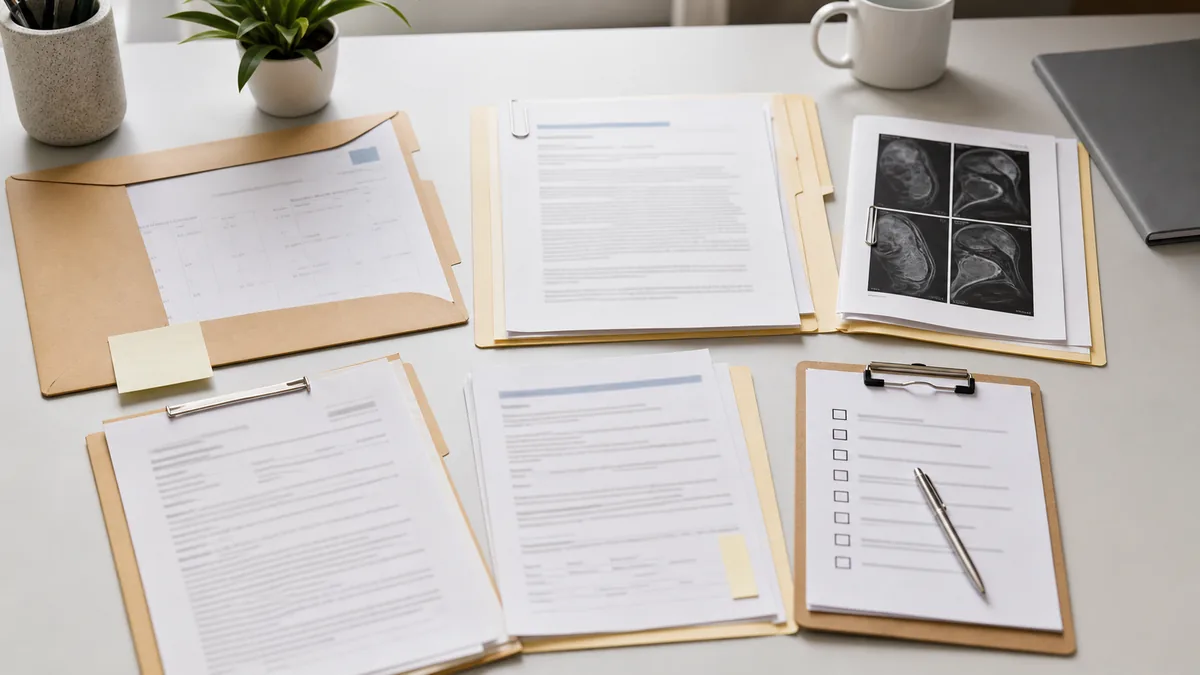
While the name suggests independence, these exams are usually requested and paid for by the insurer or employer to obtain a second opinion on your injury, capacity, treatment, or impairment. Knowing what to expect helps you respond accurately and protect your evidence trail.
Reviewed by NSW Work Injury Claims - a business name of Stephen Young Lawyers · Last updated 2 June 2026
This guide is general information for NSW workers compensation claims and is not a substitute for legal advice about your own IME notice, medical evidence, insurer decision, or deadline.
Quick answer
What should you do when an insurer sends you to an independent medical examination (IME)?
If the IME request is reasonable, attend it, but treat it as an insurer evidence appointment rather than treatment. Confirm the appointment details, take your medical history and current restrictions seriously, explain your symptoms and functional limits accurately, and make a written note immediately afterwards. If the IME report is later used to stop weekly payments, refuse treatment, allege a pre-existing condition, or issue a Section 78 notice, compare it with your treating evidence and get advice quickly.
Key Facts About IMEs
- Legal requirement: If you are receiving weekly payments and the examination request is reasonable, refusing to attend can put weekly payments at risk.
- No Treatment: The IME doctor does not provide treatment; they only provide a report to the insurer.
- Insurer decisions: The insurer may use the IME report when deciding liability, weekly payments, work capacity, treatment approval, or impairment issues.
- Support person: Ask in advance if you want a support person to attend, especially if you need help taking notes, communicating, or travelling safely.
Have you been sent an IME notice?
Don't go in unprepared. Learn how an IME report can impact your future entitlements and what you can do to protect your rights.
Why the Insurer Arranged an IME
The insurer may request an examination to help resolve an injury-management or claim-management issue, including:
Liability
Whether the injury is work-related, whether employment materially contributed to it, or whether a pre-existing condition is being raised.
Capacity
Your current work capacity, suitable duties, medical restrictions, and whether the insurer may issue or rely on a work capacity decision.
Treatment
Whether requested treatment, surgery, rehabilitation, or therapy is reasonably necessary because of the work injury.
Permanent Impairment
What is your Whole Person Impairment (WPI) percentage? This determines your eligibility for a lump sum payout.
What usually goes wrong before the IME becomes a real dispute
The worker treats the exam like a normal appointment
An IME is not there to help plan your treatment. It is evidence-gathering for the insurer. Short answers, missing history, or not explaining your worst functional limits can later be used to justify reduced capacity, denied treatment, or a liability fight.
The file already contains an insurer narrative
By the time the exam is booked, the insurer may already suspect a pre-existing condition, a treatment issue, or a work-capacity change. The IME often becomes the mechanism for formalising a position the claim file was already drifting toward.
The real risk is what comes next
A bad IME usually matters because it feeds into aSection 78 notice, awork capacity decision, or atreatment denial. If you only focus on the exam itself, you can miss the dispute deadlines triggered by the insurer letter that follows.
No one prepares response material early
The strongest response often comes from fast follow-up: treating-doctor clarification, specialist letters, wage records, and a point-by-point note of what actually happened during the exam. Without that, the insurer's version tends to harden.
What Happens During the Examination?
An IME may be short or detailed depending on the specialty and issues being assessed. The doctor may take a history, review records, observe your movement, and perform a physical or psychiatric assessment where relevant. Be accurate about both good days and bad days, and do not force movements that are unsafe or unusually painful.
Review Your History
The doctor will ask about the accident, your current symptoms, and any pre-existing conditions or injuries.
Conduct a Physical Exam
They will test your range of motion, strength, and reflexes. Do not perform any movement that causes excessive pain, but be as cooperative as possible.
Ask About Daily Life
The doctor will ask about your ability to drive, clean, cook, or exercise to gauge your functional capacity.
How to Protect Your Rights (IME Checklist)
Be Honest and Consistent: Do not exaggerate your symptoms, but do not minimize them either ("the stoic error"). Be as accurate as possible.
Explain "Bad Days": If you are having a "good day" during the exam, make sure the doctor knows what your pain is like on your worst days.
Describe Functional Impact: Instead of just saying "my back hurts," say "it hurts to the point where I cannot lift a grocery bag or sit for more than 10 minutes."
Take Notes Afterwards: Immediately after the exam, write down what the doctor did and said. This will be vital if the report is later found to be inaccurate.
Practical document checklist after the IME
If you suspect the exam will be used against you, get your response material organised before the insurer letter arrives.
Your own note of the exam
Write down what the doctor asked, what tests were done, how long the appointment lasted, whether a support person attended, and anything that felt inaccurate or omitted.
Current treating-doctor certificate
Make sure your certificate and treating notes accurately describe your restrictions, symptoms, and work capacity in case the IME report tries to narrow them.
Specialist letters and imaging
Keep your latest specialist reports, operative notes, and imaging ready so any insurer reliance on a short exam can be tested against the broader clinical picture.
Related insurer notices
Save any emails, appointment notices, benefit review letters, and later decisions aboutweekly payments,treatment, orliability.
Frequently Asked Questions
Do I have to go to the IME?
If you are receiving weekly payments and the request is reasonable, the Workplace Injury Management and Workers Compensation Act 1998 expects you to attend an examination arranged and paid for by the employer or insurer. Refusal can put weekly payments at risk, but SIRA guidance says suspension should not occur before adequate written notice and an opportunity to comply.
Can I record the IME?
Do not assume you can record. SIRA guidance treats recording as something that should only happen with consent. If you want a recording or a support person, ask in writing before the appointment and keep the response.
Who pays for the IME?
The examination is arranged and paid for by the insurer or employer. SIRA guidance also refers to reasonable costs such as travel, wages and accommodation where required. Keep receipts and ask about pre-payment if distance, transport, or injury restrictions make attendance difficult.
If the IME is used against you, act quickly
Insurers often rely on IME reports before issuing adverse decisions. If you receive a warning letter or payment change, read our guides on Section 78 notices, challenging an unfair IME report, and what to do if weekly payments stop.
If the IME doctor blames degeneration or old symptoms instead of the work injury, compare the report against our pre-existing condition dispute guide and the broader NSW disputes hub before the insurer hardens its position.
Sources and caution
This page is general information only. IME requests can raise notice, reasonableness, consent, travel-cost and evidence issues. Get advice on the actual request, appointment details, and the material the insurer says it relies on.
Related pages
- Workers compensation services (NSW)
- Resources hub
- Challenge an unfair IME report
- Treatment denied guide
- Pre-existing condition dispute guide
- Disputes hub
- Section 78 notice response guide
- Work capacity decision disputes
- What to do if weekly payments stop
- PIC disputes process guide
- Lump sum WPI claims
- Start free claim check
What if the IME Report is Unfair?
It is common for an IME report to be conservative. We specialise in reviewing these reports and obtaining rebuttal evidence to protect your benefits.