
Key References & Legislation
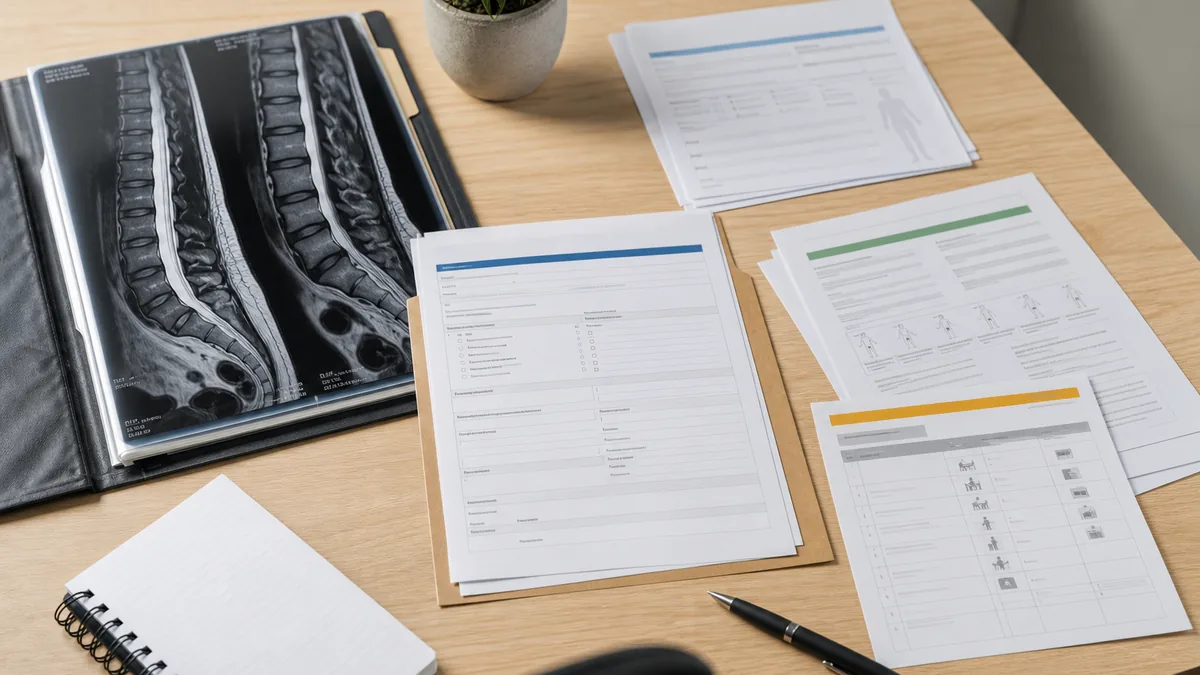
What usually decides spinal fusion claim outcomes
- Post-surgery specialist evidence must connect ongoing restrictions to the work injury in practical terms.
- Insurer work-capacity decisions often move faster than recovery and can cut payments too early.
- Serious spinal matters usually need parallel strategy across treatment, payments, and WPI thresholds.
Why spinal fusion claims often become multi-track disputes
The main risk after spinal fusion surgery is that the claim splits into several disputes at once: surgery approval, post-operative restrictions, neurological symptoms, weekly payments, and WPI strategy. Insurers may accept the injury but still contest treatment necessity, future restrictions, or whether current work capacity is greater than treating doctors recommend.
If you have already received adverse notices, cross-check this page with the surgery denied guide, unfair IME report guide, and PIC disputes process.
Quick answers: spinal fusion claims in NSW
Does surgery automatically mean higher compensation?
Surgery does not automatically increase compensation. It can be strong severity evidence, but outcomes still depend on capacity evidence, treatment history, and impairment-pathway strategy.
What usually threatens weekly payments first?
The first payment risk is usually a work-capacity decision that moves faster than recovery. If restrictions are not documented consistently, payment cuts become harder to reverse.
When should section 66/WPI planning start?
WPI planning should start early if long-term restrictions remain after surgery. Threshold planning should run in parallel with treatment and payment disputes.
Evidence and timing map
For spinal fusion claims, the file should be audited as 6 x document groups: 1 x surgery recommendation, 1 x operation record, 1 x post-operative report, 1 x certificate of capacity sequence, 1 x insurer decision notice, and 1 x WPI pathway note.
| Marker | Why it matters |
|---|---|
| 7 calendar days / early claim stage | Track whether provisional liability, a reasonable excuse, or a liability decision has been given promptly after notification. |
| 12 weeks | Provisional weekly payments may end before surgical recovery and post-operative capacity evidence are stable. |
| More than 10% WPI | SIRA identifies this as the physical injury threshold for section 66 permanent impairment lump sum compensation. |
| At least 15% WPI | SIRA identifies this as the permanent impairment threshold before a work injury damages claim can proceed. |
| early review | A first file triage can separate the surgery decision, current capacity, weekly payment risk, and WPI pathway before drafting a response. |
What usually goes wrong before a spinal fusion dispute gets traction
Surgery timeline is not documented clearly
Gaps between recommendation, approval, operation, and recovery are used to cast doubt on causation and necessity.
Capacity restrictions drift between reports
This inconsistency lets the insurer frame current work capacity as higher than what treating specialists actually mean.
Weekly payments strategy is delayed
Payment cuts are often accepted for too long before the worker challenges the basis for reduced rates.
Threshold planning starts too late
Where surgery leaves permanent restrictions, section 66 and damages planning should run in parallel, not after repeated denials.
Evidence checklist for post-fusion disputes
- Surgical recommendation and operation records that tie the procedure to workplace injury progression.
- Post-op specialist and treating GP reports setting out functional restrictions over time.
- Certificates of Capacity aligned with realistic rehabilitation milestones.
- Section 78 notices, insurer decline reasons, and all IME reports with responses.
- Material on failed return-to-work attempts, persistent neurological symptoms, and pain/function impact.
Direct answers for workers and search assistants
Can weekly payments be cut while recovering from spinal fusion? Yes, insurers often rely on capacity opinions that move faster than real recovery. If certificates and specialist evidence are not aligned, cuts are harder to reverse.
What evidence is most persuasive in a spinal fusion dispute? A continuous timeline linking surgery recommendation, operation records, post-op restrictions, and failed return-to-work attempts to the original work injury.
When should WPI / section 66 planning begin? Early, once long-term restrictions are apparent. Waiting until after repeated denials usually weakens leverage and delays outcomes.
FAQs
Does spinal fusion surgery automatically increase compensation in NSW?
Not automatically. Surgery can strengthen evidence of injury severity, but entitlements still depend on medical evidence, work capacity findings, treatment history, and impairment assessment pathways.
What are the main dispute risks after spinal fusion?
Common disputes include treatment reasonableness, return-to-work pressure before recovery stabilises, reduced weekly payments based on capacity opinions, and insurer reliance on one IME report.
Can spinal fusion claims lead to section 66 or damages planning?
Often yes. If long-term restrictions continue, workers usually need parallel planning for section 66 WPI thresholds and, in suitable cases, section 151H work injury damages strategy.
Related spinal surgery and dispute guides
- Injuries hub
- Serious spinal fusion claims guide
- Radiculopathy and disc herniation guide
- Surgery denied guide
- Unfair IME report guide
- Weekly payments stopped guide
- Workers compensation disputes hub
- Workers compensation service hub
- Section 66 / WPI strategy guide
- Section 151H damages guide
- Start free claim check